
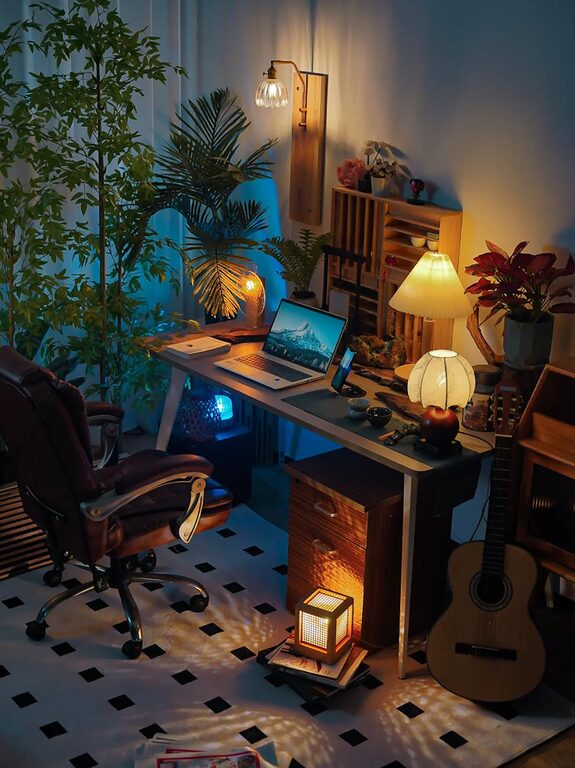
Creating a cozy and functional home workspace is essential for maintaining productivity and well-being, especially as more people work remotely or need a dedicated area for personal projects. A well-designed workspace helps you focus, reduces stress, and can even boost creativity. This guide offers practical tips to help you transform any corner of your home into an inviting and efficient work zone.
Choose the Right Location
Start by choosing a suitable spot for your workspace. Ideally, it should be:
– Quiet and away from distractions: Pick a place where you can concentrate, away from household noise or heavy traffic areas.
– Well-lit: Natural light is best, so try to position your desk near a window. If that’s not possible, use warm and adjustable lighting.
– Sufficiently spacious: Ensure there is enough room for your desk, chair, and storage needs without feeling cramped.
Invest in Comfortable and Ergonomic Furniture
Your furniture plays a big role in how comfortable and productive you feel.
– Ergonomic chair: Invest in a chair that supports your back and encourages good posture to avoid discomfort during long hours.
– Desk: Choose a desk suited to your work style and equipment. Adjustable desks or standing desks offer flexibility.
– Consider height and placement: Your chair and desk height should align with your body to reduce strain on your neck, shoulders, and wrists.
Organize Efficiently with Smart Storage
Clutter can be a major distraction. Keep your workspace tidy and organized by:
– Using shelves, drawers, or cabinets to store supplies and documents.
– Keeping only essential items on your desk to maintain a clean surface.
– Employing desk organizers or containers to sort smaller items like pens, paperclips, and chargers.
– Labeling storage areas so you can easily find what you need.
Personalize Your Space for Comfort and Inspiration
Adding personal touches can make your workspace feel welcoming and motivate you.
– Decorate with artwork or photos that uplift your mood.
– Add plants to introduce a bit of nature; they enhance air quality and reduce stress.
– Choose colors and textures that you find soothing or energizing. Soft cushions, rugs, or curtains can add warmth.
– Use scents like candles or essential oil diffusers for a relaxing atmosphere, but keep it subtle.
Optimize Lighting
Good lighting reduces eye strain and boosts your energy.
– Take advantage of daylight; position your desk to get indirect light without glare on your screen.
– Use a combination of ambient lighting (ceiling lights) and task lighting (desk lamps).
– Select bulbs with adjustable brightness and a color temperature that suits your preference — cooler lights for focus or warmer lights for relaxation.
Minimize Noise and Distractions
Controlling your environment helps maintain focus.
– Use noise-canceling headphones or soft background music if total silence feels distracting.
– Consider adding rugs, curtains, or cushions that absorb sound.
– Set clear boundaries with family or housemates around your workspace and working hours.
Keep Technology Convenient and Efficient
Make sure your tech setup supports your work style.
– Position your computer screen at eye level to reduce neck strain.
– Use a wireless mouse and keyboard to keep your desk less cluttered.
– Keep charging stations and cables organized using clips or cable management solutions.
– Ensure you have a strong internet connection and any necessary accessories like printers or external monitors within easy reach.
Establish a Routine and Maintain Your Space
Finally, a cozy workspace is one that stays neat and isn’t cluttered over time.
– Develop a habit of tidying your desk at the end of each day.
– Regularly review and clear out unnecessary items and papers.
– Set your workspace up each morning with the day’s to-do list or priorities to prepare mentally.
—
Creating a cozy and functional home workspace takes thoughtful planning, but by focusing on comfort, organization, and personal style, you can create an environment that supports your best work while making you feel relaxed and motivated. Whether you have a whole room or just a small nook, these tips can help you build a space where productivity and comfort go hand in hand.